Author: jmneiderer
-
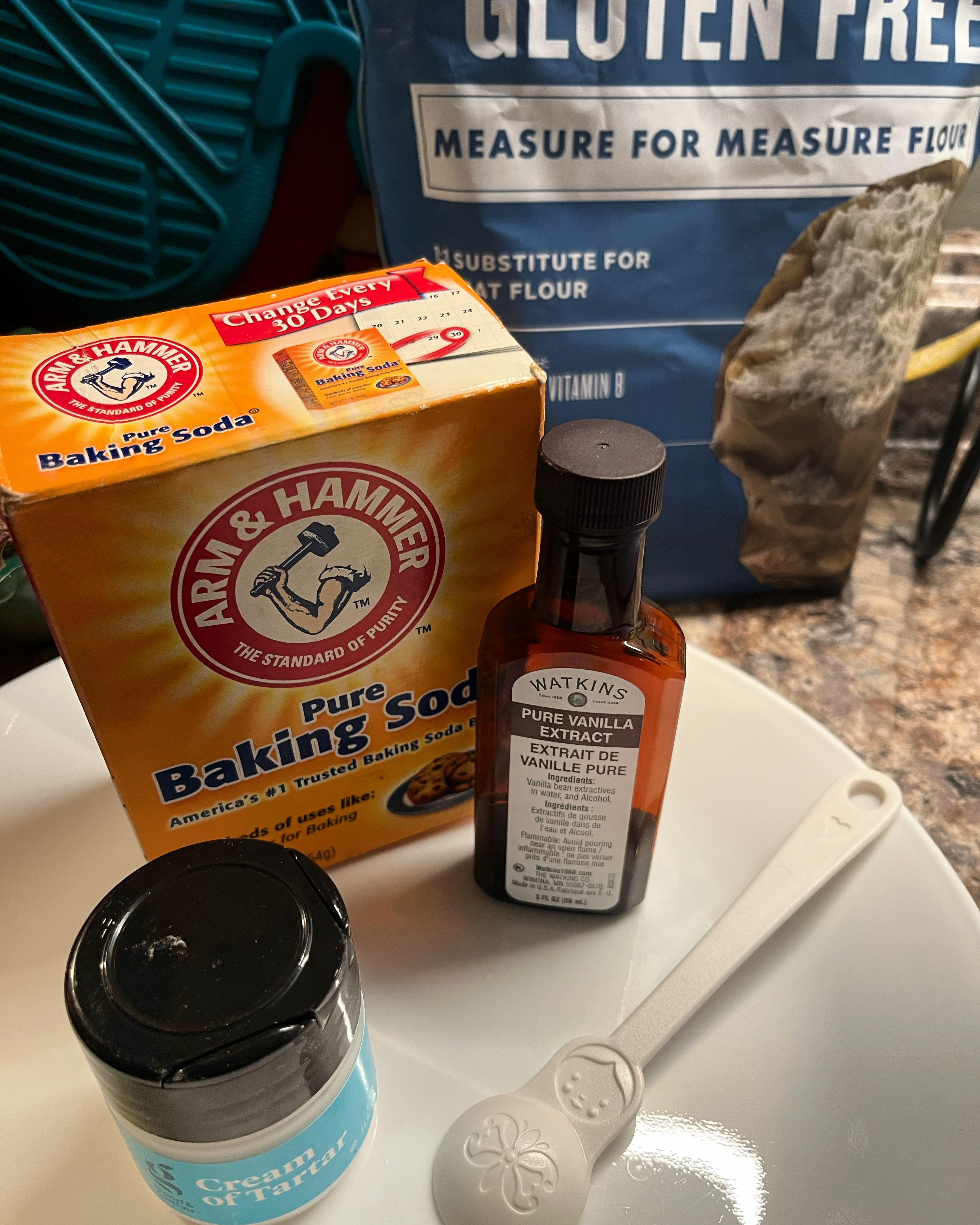
Building Your Gluten-Free Pantry: Essential Ingredients and Tips for Safe Storage
Stocking a gluten-free pantry involves essential ingredients like various flours, binders, and sweeteners, with tips for storage to maintain freshness and prevent cross-contamination. Key strategies include using airtight containers, refrigerating flours, and organizing dedicated gluten-free areas to ensure successful gluten-free baking while avoiding gluten exposure.
Written by
·
-
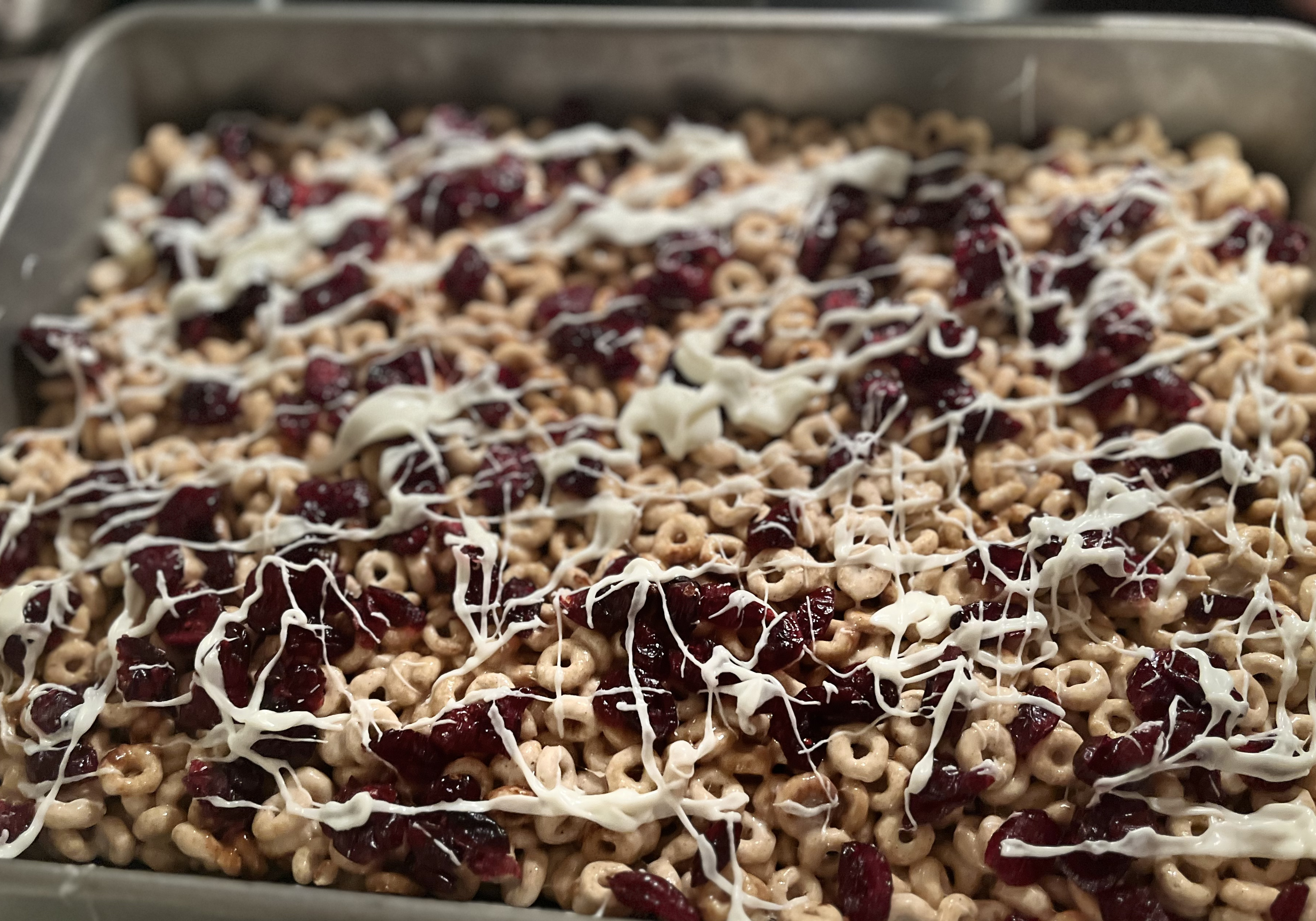
Gluten-Free Apple-Cinnamon Cereal Treats with Dried Cranberries and White Chocolate Drizzle
The holiday season can be tough for military families with deployed loved ones. To send a reminder of home, one creative option is gluten-free cereal treats, like apple-cinnamon bars with dried cranberries and white chocolate. They’re durable, easy to customize, and perfect for care packages, ensuring a delicious connection to home.
Written by
·
-

Why Eating Raw Flour is Unsafe: Health Risks Explained
Raw flour, including gluten-free varieties, can harbor harmful bacteria like E. coli and Salmonella, making it unsafe to consume. Proper cooking is essential to eliminate these risks. Safe handling practices are crucial to ensure food safety and prevent illness from bacterial contamination.
Written by
·
-

Why Use Room Temperature Ingredients for Gluten-Free Baking?
Using room-temperature ingredients in baking, particularly gluten-free, significantly affects texture, consistency, and rise. Room temperature enhances emulsification, aeration, and even mixing, resulting in lighter and more cohesive baked goods. Cold ingredients can lead to denser textures and uneven mixtures. Proper temperature contributes to successful baking outcomes.
Written by
·
-

Why Chilling Gluten-Free Dough Matters
If you’ve ever baked gluten-free cookies, pies, or bread, you might have noticed that chilling the dough is often recommended. This step plays a crucial role in improving texture, shape, and flavor in gluten-free baking. Let’s take a closer look at why chilling matters and how it enhances gluten-free dough. The Benefits of Chilling Gluten-Free…
Written by
·
-

Guide to Popular Gluten-Free Flours
Selecting the right gluten-free flour is crucial for baking success. This guide details popular options such as almond, coconut, rice, tapioca, sorghum, oat, chickpea, and buckwheat flours, each with unique flavors and properties. Understanding these can enhance baking results. Experimentation with flour combinations is encouraged for optimal outcomes.
Written by
·
-
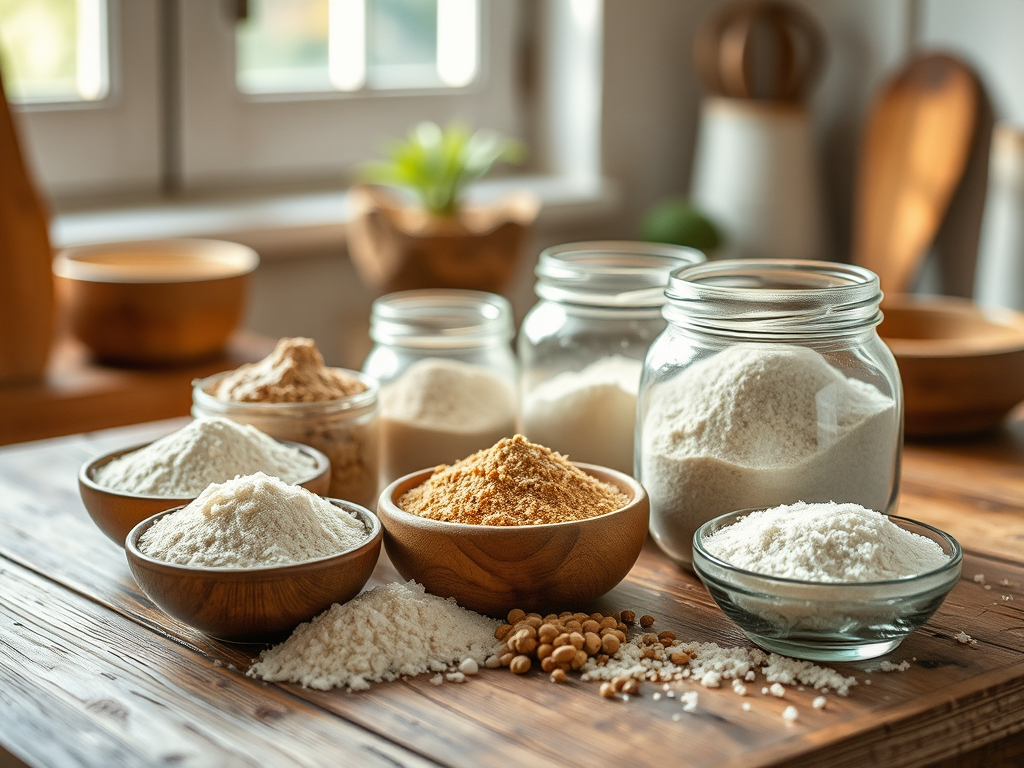
The Importance of Binders in Gluten-Free Baking
Gluten-free baking lacks gluten, which is essential for structure and elasticity. Binders like xanthan gum, guar gum, and psyllium husk help replicate these properties, providing moisture retention and chewiness. Each binder serves different purposes in recipes, ensuring baked goods maintain texture and cohesion without gluten’s presence.
Written by
·
-
Understanding Gluten: What You Need to Know
If you’re new to gluten-free baking, you might wonder, “What exactly is gluten?” You could also be curious about why so many people avoid it. Gluten has been at the center of dietary discussions for years, especially with the rise of gluten-free diets. Here’s a closer look at what gluten is, how it works in…
Written by
·
-

How Going Gluten-Free Transformed My Crohn’s Disease Management
Living with Crohn’s disease has affected every aspect of my life, including my relationship with food. Going gluten-free has been one of the most significant changes in my diet and lifestyle. I believe it has made a difference in my life. Here’s my story. Please note, that I do NOT have a medical background. Crohn’s…
Written by
·