If you’re new to gluten-free baking, you might wonder, “What exactly is gluten?” You could also be curious about why so many people avoid it. Gluten has been at the center of dietary discussions for years, especially with the rise of gluten-free diets. Here’s a closer look at what gluten is, how it works in baking, and why some people steer clear of it.
What Exactly Is Gluten?
Gluten is a protein found naturally in wheat, barley, and rye. It’s made up of two main proteins—gliadin and glutenin—which combine to create a stretchy, elastic network when flour is mixed with water. This elasticity allows dough to trap air, helping baked goods rise and maintain a chewy, satisfying texture. Gluten acts as a “binder” in traditional baking, holding ingredients together and giving bread, pizza crust, and pastries their unique texture (Harvard T.H. Chan School of Public Health, n.d.).
The Role of Gluten in Baking
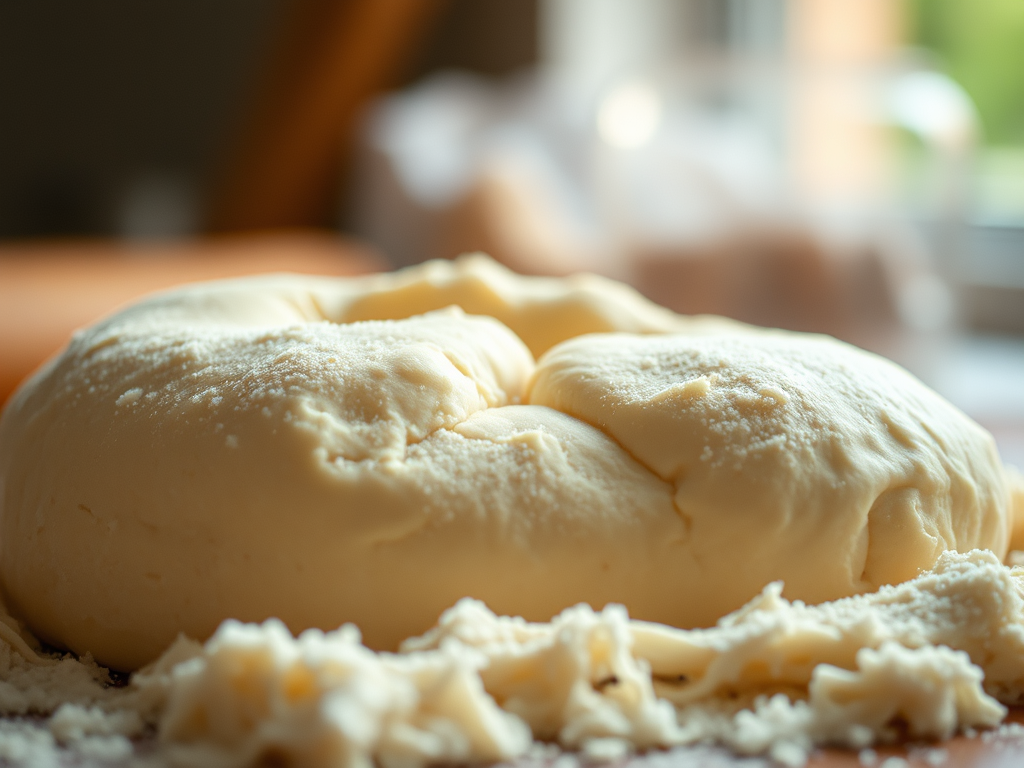
In baking, gluten plays a crucial role in the structure and texture of baked goods. When you knead or mix wheat dough, gluten strands form and create an elastic network. This network traps gas bubbles produced by leavening agents like yeast or baking powder, allowing the dough to rise and hold its shape. The more you knead, the stronger the gluten becomes, resulting in a chewier texture—think of artisan bread or pizza dough (King Arthur Baking Company, n.d.).
Without gluten, dough lacks the same elasticity and can be more prone to crumbling. That’s why gluten-free baking often requires binders like xanthan gum, guar gum, or psyllium husk to replicate gluten’s role and improve texture and structure in gluten-free recipes.
Why Do Some People Avoid Gluten?
While gluten is harmless for most people, certain individuals avoid it for health reasons. Here are a few reasons why some people go gluten-free:
- Celiac Disease
Celiac disease is an autoimmune disorder in which consuming gluten triggers an immune response that damages the small intestine. This condition affects about 1% of the population and can lead to symptoms like abdominal pain, fatigue, and nutrient deficiencies. Even a small amount of gluten can cause harm to individuals with celiac disease (Mayo Clinic, 2021). - Non-Celiac Gluten Sensitivity
Some people experience symptoms similar to celiac disease, such as bloating, headaches, and fatigue, without the autoimmune response. This is known as non-celiac gluten sensitivity (NCGS). Although it’s not fully understood, people with NCGS may benefit from a gluten-free diet (Cleveland Clinic, 2022). - Wheat Allergy
Separate from celiac disease, a wheat allergy is an immune response to proteins in wheat, which can include but is not limited to gluten. Symptoms can range from mild (rashes or digestive discomfort) to severe (anaphylaxis). People with a wheat allergy often avoid gluten-containing grains but may not need to avoid all forms of gluten. - Inflammatory Bowel Disease (IBD) IBDs include ulcerative colitis and Crohn’s disease those with IBD (like myself) may want to try eating gluten-free to see if it reduces their symptoms. Currently, there is a lack of long-term research studies regarding IBD and gluten-free diets and going gluten-free is not a current recommendation in the main-stream medical community.
How Does Gluten-Free Baking Work Without Gluten?
Since gluten plays a key role in the structure and texture of traditional baked goods, gluten-free baking requires some creative substitutions. Gluten-free flours like almond, rice, and tapioca flour don’t contain the stretchy proteins found in gluten, so they need help holding ingredients together. Binders like xanthan gum or psyllium husk help create some elasticity and structure, allowing gluten-free baked goods to mimic the texture of traditional treats.
Is Gluten Bad for Everyone?
For most people, gluten is safe and can be part of a healthy diet. Whole grains containing gluten, such as wheat, barley, and rye, offer important nutrients, including fiber, B vitamins, and antioxidants. In fact, whole grains are linked to various health benefits, including improved digestion, better heart health, and lower risk of chronic diseases. However, for those with gluten-related health conditions, avoiding gluten is essential for managing symptoms and overall well-being (Harvard T.H. Chan School of Public Health, n.d.).
Final Thoughts
Gluten may be a small part of a recipe, but it plays a big role in baking. Understanding what gluten is and how it works can help you make sense of gluten-free baking and why it sometimes requires extra steps or unique ingredients. Whether you’re gluten-free by necessity or choice, there are plenty of delicious ways to enjoy baked goods without gluten.
Happy gluten-free baking!
References
- Harvard T.H. Chan School of Public Health. (n.d.). The Nutrition Source: Whole Grains. Retrieved from https://www.hsph.harvard.edu
- Mayo Clinic. (2021). Celiac Disease. Retrieved from https://www.mayoclinic.org
- Cleveland Clinic. (2022). What is Non-Celiac Gluten Sensitivity? Retrieved from https://www.clevelandclinic.org
- King Arthur Baking Company. (n.d.). Gluten and Its Role in Baking. Retrieved from https://www.kingarthurbaking.com
- Herfarth HH, Martin CF, Sandler RS, Kappelman MD, Long MD. Prevalence of a gluten-free diet and improvement of clinical symptoms in patients with inflammatory bowel diseases. Inflamm Bowel Dis. 2014 Jul;20(7):1194-7. doi: 10.1097/MIB.0000000000000077. PMID: 24865778; PMCID: PMC4331053.
Leave a Reply